

Brussels' Budget Great Escape
The European Commission has turned debt into a central governing tool — piling up enormous loans largely beyond the reach of genuine democratic scrutiny.

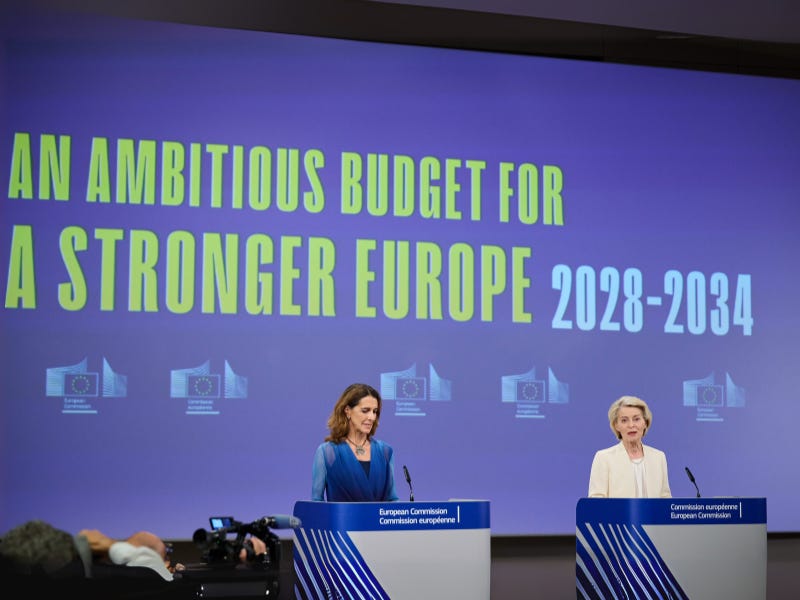
What logic compels the European Commission to keep escalating its financial commitments when it cannot reliably fund the ones it already has?
More pointedly: is the EU quietly engineering a form of hidden mutualised debt — one that steadily hollows out member states’ budgetary sovereignty, bypassing national parliaments entirely, and kept well out of sight of the voters who would foot the bill?
The proposed 2028–2034 budget makes the question impossible to ignore. The Commission is putting forward nearly €2 trillion over seven years — a 59% increase in current prices on the existing framework. The headline is staggering. The Commission calls it “historic.”
Look closer, and the gloss fades fast.
