

[ Editorial ] Brussels' Digital War
The European Union is at war against the 27 people of its member states. Wielding a water pistol.

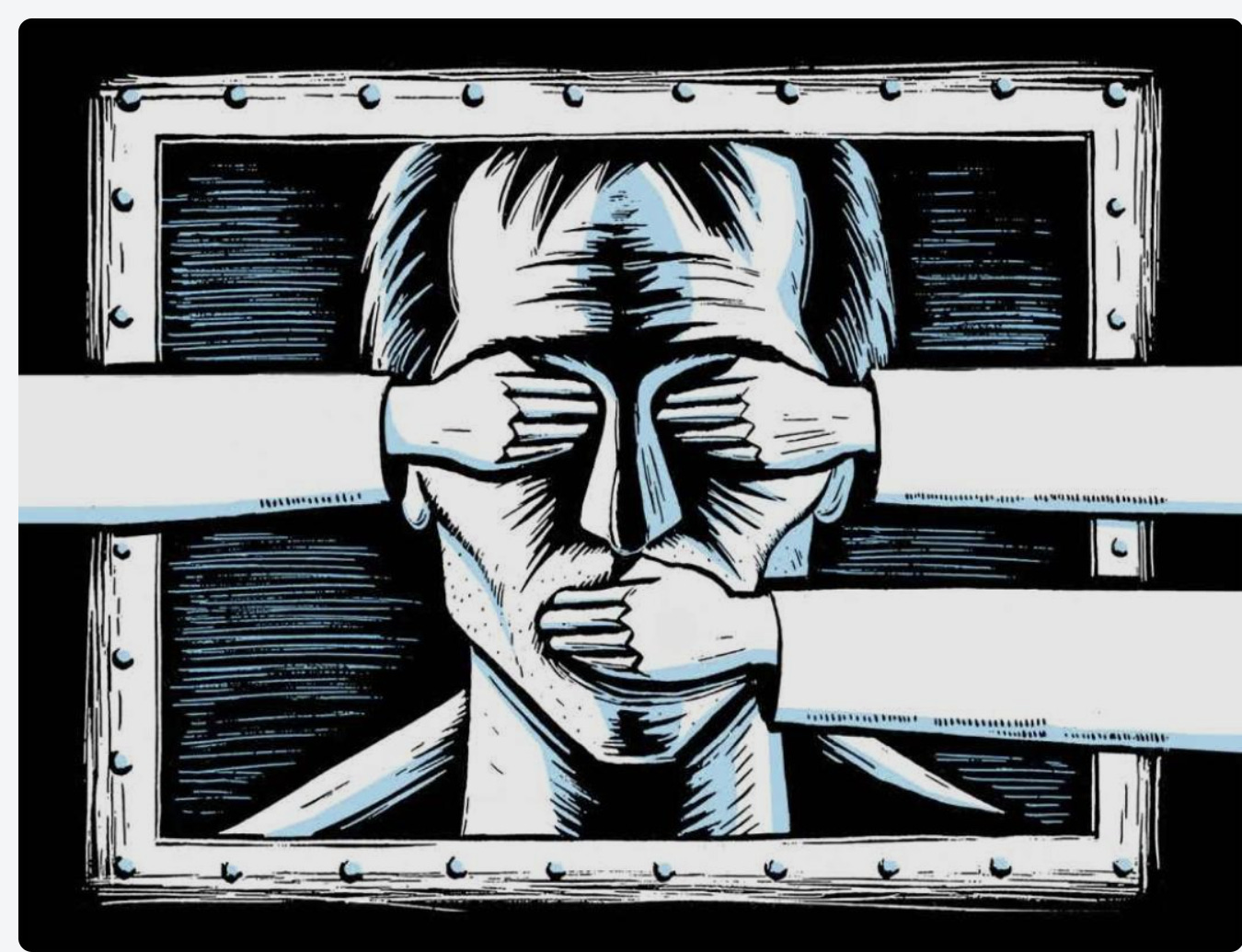
The European Commission and Big Tech platforms are colluding in a form of indirect censorship—call it what you will, but let’s not mince words. Platforms eagerly delete or throttle content that violates no law, simply to dodge DSA investigations and hefty fines.
The Commission pats itself on the back for this overzealous moderation, celebrating platforms’ “compliance” while ignoring the chilling effect on legitimate speech.
Brussels does nothing to curb this private overreach. The Digital Services Act (DSA) targets illegal content but explicitly permits platforms to suppress lawful expression under their terms of service. As former German MEP Patrick Breyer, a vocal advocate for free speech and privacy, has pointed out: the DSA fails to address the real challenges of digital communication regulation and may worsen them by incentivizing error-prone filters and privatized surveillance tools run by platforms.
What, then, is the DSA’s true value—beyond the transparency fig leaf that secured its broad 2022 passage, even from critics like Breyer? It supplanted even more draconian national laws, such as Germany’s NetzDG. But that’s a low bar.
The DSA is now entrenched. European regulations, once adopted, resist amendment. Revamping it outside the scheduled 2027 review? Practically impossible, given the narrow legislative leeway for MEPs and the dominance of centrist political forces across EU institutions.
Those institutions—the Commission, Parliament, Council—are no check and balance but interlocking organisation staffed by the same establishment figures from Renew, Socialists, and EPP, who have rotated power for decades in perfect consensus.
The DSA will likely endure, but don’t expect it to effectively combat truly illegal content or “disinformation”—a term with no legal definition. It’s one piece of a rickety, expansive architecture of control: from DSA’s content policing to Chat Control’s child-protection pretext for mass encrypted communciations scanning, the Data Act, and the looming European digital identity wallet. These tools pave the way for mandatory user authentication, turning free speech into a licensed privilege and eroding privacy.
Brussels today resembles a besieged fortress, barricading itself behind endless regulations—the only tool bureaucrats truly master. On February 24, 2026, the Commission unveiled yet another layer on this unsavory cake: the European Centre for Democratic Resilience, flagship of the nebulous European Democracy Shield.
This voluntary outfit aims to “monitor and detect information manipulation and disinformation,” per Ursula von der Leyen. Where law ends (since disinformation isn’t inherently legal), bureaucracy steps in.
The concept echoes NATO recommendations, amplified under the Biden administration. With high-stakes elections looming—Hungary, Germany, France—Brussels claims urgency. The Centre’s top priority? “Resilient” elections based on pre-existing frameworks that states should dutifully share to preserve the status quo.
Czech authorities once praised Romania’s “electoral integrity” model. Recall Romania’s 2024 presidential farce: under DSA pressure, TikTok was compelled to affirm a massive “Russian disinformation” campaign on its platform. This led to the annulment of the first round, won by the insufficiently EU-aligned Calin Georgescu, who was barred from rerunning.
The pro-Brussels candidate ultimately prevailed in the rescheduled vote. Yet a U.S. Congressional report, citing official documents, found TikTok itself uncovered no evidence of the alleged coordinated Russian campaign.
This raises troubling questions about European interference—French and German mainly—in electoral processes.
Romania's Presidential Election: A Carnival of Meddling

The question of whether Romania’s presidential elections will be rerun has resurfaced with force.
Tensions with Washington are escalating. The Trump administration has directed American platforms to ignore Brussels’ regulation and announced plans for freedom.gov, a portal enabling access to EU-censored content, potentially with VPN-like features to bypass restrictions.
In France, Foreign Minister Jean-Noël Barrot stated on Franceinfo his will to “bring social networks to heel” before the 2027 presidential election. Good luck with that petty authoritarian fantasy—it’s already doomed.
European leaders refuse to learn from history. By treating social media like the Catholic Church treated the printing press—resorting to four centuries of inquisition-level repression—they ignore the obvious: no amount of coercion halted the Enlightenment. The same will hold for today’s digital age.