

Renewable Energy: The French Audit Report That Changes Nothing
Is State support for renewable energies inconsiderate? Reports pile up, proposing marginal corrections, without touching the ghost in the machine: market rules.

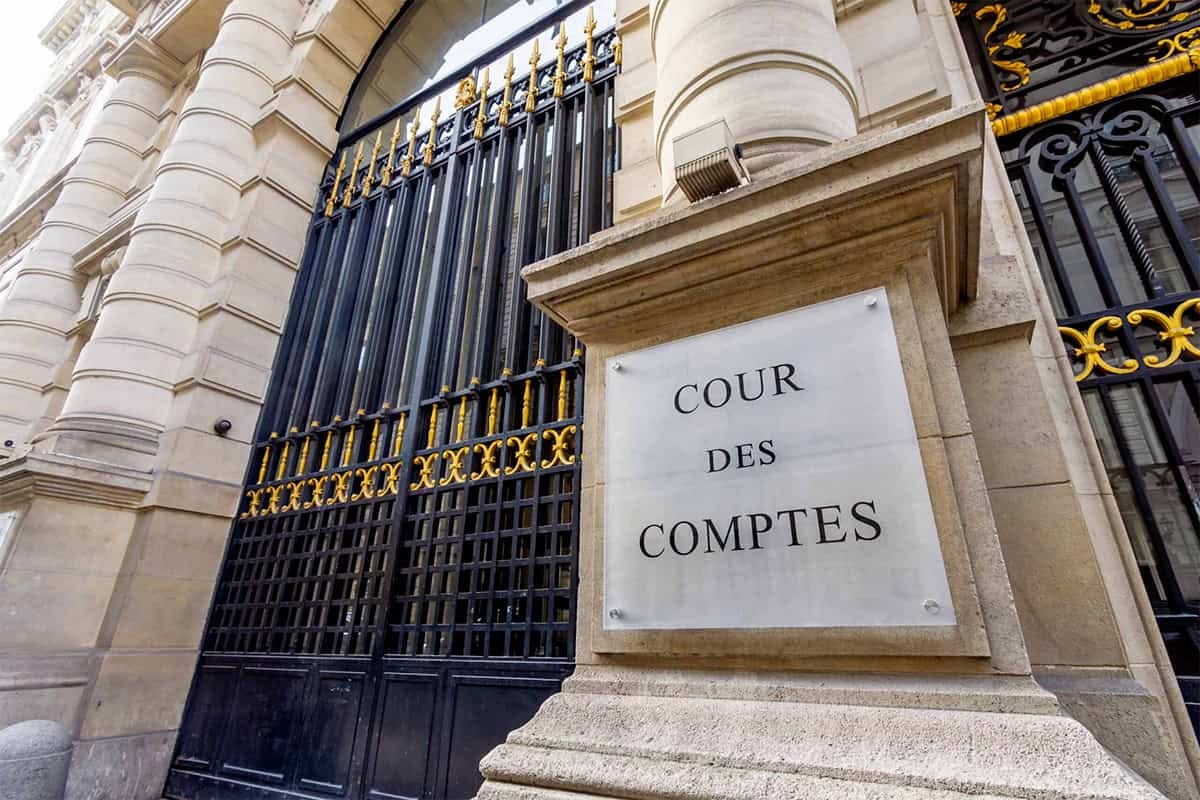
The French Court of Auditors has sharply criticized public subsidies for renewable energies—but let’s be clear: its latest report targets only the public service charges for energy (SPE), not the full array of state support.
These SPE charges are the compensations paid by the french government to cover the extra costs of backing renewables. They bridge the gap between market prices and the guaranteed prices (via feed-in prices or premium payments) that producers pocket.
As the Court itself states, the report’s scope excludes major other expenses: grid connection and reinforcement costs (largely borne by network operators and recovered through the power transmission tariff), plus aid from other public and private players.
That widely quoted €26.3 billion figure? It represents the cumulative net burden on the state from 2016 to 2024 for these SPE charges alone—merely the visible tip of the iceberg. No one seems capable of precisely quantifying the full submerged mass:
How much do grid connections, reinforcements, and renewable integration really cost?
What price tag attaches to grid balancing made necessary by the intermittency of wind and solar?
What about storage expenses?
And don’t forget the indirect costs from curtailing or modulating nuclear output to give renewables priority on the grid.
Worse still, the heaviest bill to foot is yet to come unless the entire mechanism undergoes radical reform. This warning has echoed through multiple official reports for years—yet action remains timid at best.
The current system is volatile, unpredictable, and increasingly expensive for taxpayers. The Court is sounding the alarm: without tighter controls, better forecasting, and structural overhaul, these “green” commitments risk becoming a fiscal black hole.
