



Is Jeffrey Epstein the new Sidney Reilly— the adventurer lionized by the British as the “Ace of Spies” while most probably doubling as a Soviet spy after WWI?
A secret is what someone, somewhere, has decided we must never know.
A conspiracy is two or more people secretly aligning to impose their will on events.
Aleister Crowley—the ace of occultists—defined magick1 as “the Science and Art of causing Change to occur in conformity with Will.” In plainer terms: apply the right force, through the right channel, to the right target, and reality bends. Sound familiar? That’s politics and the exercice of power distilled to its essence.
It’s precisely what Edward Bernays, the pioneering public relations strategist, engineered when he weaponized cognitive psychology in the 1910s—calling it “propaganda” when states do it and “public relations” when corporations foot the bill.
Are secret societies little more than casting agencies, hand-picking who gets near real power while elections serve as elaborate stage-managed rituals to rubber-stamp the pre-chosen?
No, we’re not tumbling headlong into tinfoil-hat territory. If secret societies exist, they fulfill a concrete social function. Dismissing them outright is intellectual laziness.
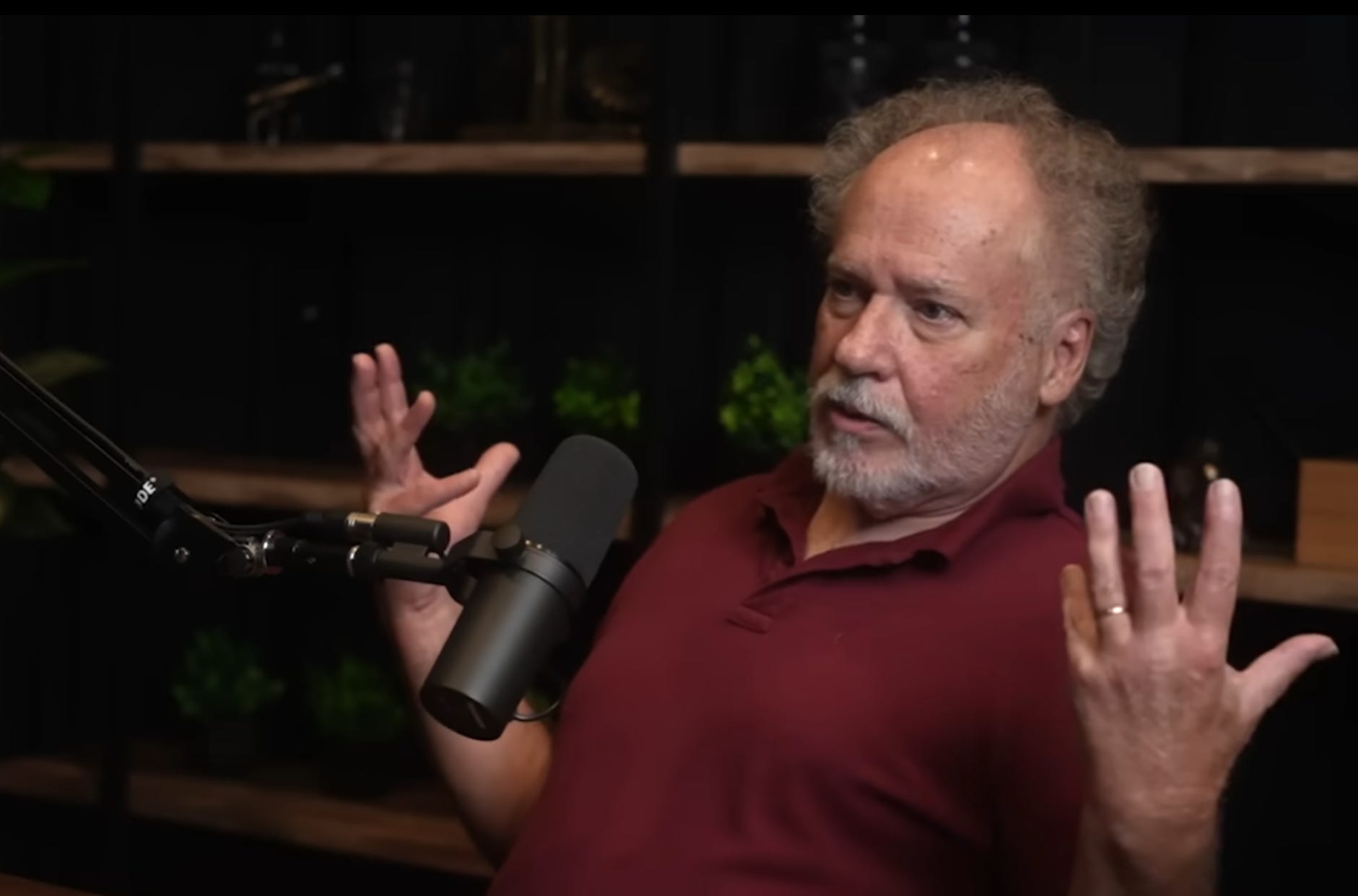
Let’s jump into the rabbit hole with Richard B. Spence.
Richard B. Spence is professor emeritus of history at the University of Idaho, a leading authority on Russian history, secret societies, and espionage. He co-hosts the podcast Strange As It Seems with Stephen Austin and has authored several penetrating works, including Trust No One: The Secret World of Sidney Reilly (Feral House, 2002) and Secret Agent 666: Aleister Crowley, British Intelligence and the Occult (Feral House, 2008).
Spence exposes how mythologized figures like Reilly—celebrated as Britain’s greatest spy—may have played far murkier, multi-sided games. The parallel to Epstein is uncomfortable but unavoidable: a man embedded in elite circles, alegedly wielding blackmail material, moving effortlessly across borders and ideologies, all while the public sees only the carefully curated surface. If Reilly could be eulogized as a hero while potentially serving opposing masters, why should we accept the official line on Epstein—or any of the other ghosts haunting today’s power structures?
He deliberately spelled it with a “k” to distinguish it from stage illusions or entertainment magic.


